









Symbols are an intrinsic part of human culture, serving as a universal language that transcends words and spoken language. They carry meanings, evoke emotions, and connect us to shared histories and beliefs. From ancient carvings to digital emojis, the evolution of symbols reflects humanity’s ongoing quest to communicate complex ideas succinctly and powerfully.
Table of Contents
- The Origins of Symbols: Cultural Roots and Mythological Foundations
- Symbols as Carriers of Meaning: From Superstition to Social Cohesion
- The Transition to Modern Symbols: Media, Games, and Popular Culture
- «Le Zeus»: An Educational Example of Mythological Symbols in Modern Gaming
- Non-Obvious Dimensions of Symbolism: Psychological and Societal Impacts
- The Future of Symbols: Digital Innovation and Global Connectivity
- Conclusion: The Enduring Art of Symbols and Their Role in Human Expression
The Origins of Symbols: Cultural Roots and Mythological Foundations
Early human societies relied heavily on symbols as a means of communication and establishing identity. Cave paintings, carved talismans, and ritual objects served not only as storytelling devices but also as markers of social cohesion. These symbols often drew inspiration from mythology and natural phenomena, embodying divine or natural forces that early cultures sought to understand or appease.
For example, in Irish culture, symbols like the four-leaf clover are believed to embody luck, rooted in ancient beliefs associating natural elements with divine favor. Similarly, Native American tales feature symbols such as the animal totems, representing spiritual guides and natural forces, illustrating how mythology and symbolism are intertwined across diverse cultures.
Cultural examples include:
- Irish luck: Four-leaf clovers and horseshoes as talismans believed to attract good fortune.
- Native American totems: Animal symbols representing clan lineage, spiritual guides, and cultural values.
Symbols as Carriers of Meaning: From Superstition to Social Cohesion
Throughout history, symbols have fostered community and shared beliefs, creating a sense of belonging. Superstitions exemplify this, where specific symbols are believed to influence outcomes or protect individuals. The Irish four-leaf clover, for instance, is seen as a beacon of luck, with many believing it holds supernatural powers to ward off evil and attract prosperity.
Beyond superstition, symbols often serve as archetypes—universal images that embody moral or philosophical ideas. The trickster archetype, exemplified by characters like Coyote in Native American stories, illustrates the fluidity of moral symbolism, challenging binary notions of good and evil and highlighting the complex nature of human morality.
The Transition to Modern Symbols: Media, Games, and Popular Culture
With technological advancement, symbols transitioned from physical artifacts to digital representations. Emojis, for example, serve as modern hieroglyphs, conveying emotions and ideas instantly across cultures. This digitization enhances communication, making symbols accessible globally while also evolving their meanings over time.
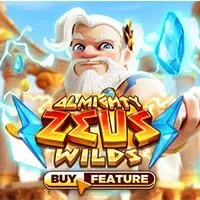
In the realm of gaming, visual cues like icons and symbols play a crucial role in user experience and cognitive engagement. These symbols guide players, indicate potential rewards, or warn against dangers, influencing decision-making and immersion. An illustrative case is the 🔥 scatter symbol in popular slot games such as Le Zeus, which draws upon mythological themes to enhance storytelling and player engagement.
«Le Zeus»: An Educational Example of Mythological Symbols in Modern Gaming
Modern games like 🔥 incorporate mythological symbols to deepen narrative and aesthetic appeal. Zeus, the king of gods in Greek mythology, is often represented by his thunderbolt—a powerful symbol of divine authority and natural force. Such imagery resonates with players, blending ancient myth with contemporary entertainment.
In game design, these symbols are not only decorative but serve as storytelling tools. They reinforce themes of power, luck, and divine intervention, making gameplay more engaging. For example, the lightning bolt in Le Zeus symbolizes not just divine power but also acts as a branding element, linking the game to the broader mythological tradition that enhances its educational and cultural value.
Non-Obvious Dimensions of Symbolism: Psychological and Societal Impacts
Symbols influence subconscious processes and decision-making. Research indicates that exposure to certain symbols can trigger emotional responses or biases without conscious awareness, affecting choices in gambling, branding, and social interactions. For instance, the lightning bolt evokes feelings of power and urgency, shaping perceptions of brands or game features.
Culturally, symbols adapt over time, transforming from divine icons into modern representations like logos or emojis. These shifts demonstrate the malleability of symbols and their capacity to maintain relevance across different societal contexts, influencing perceptions of luck, authority, and identity.
“Symbols act as subconscious triggers, shaping our perceptions and behaviors in ways we often do not realize.”
The Future of Symbols: Digital Innovation and Global Connectivity
Emerging technologies like virtual and augmented reality are creating new symbolic environments where icons and signs can be manipulated in real-time, opening novel avenues for storytelling and social interaction. These digital symbols foster immersive experiences that can transcend cultural boundaries, but also pose challenges due to differing interpretations across societies.
As globalization continues, cross-cultural understanding of symbols becomes increasingly vital. Symbols like national flags, religious icons, and brand logos must be adapted thoughtfully to resonate universally while respecting local meanings. This evolution underscores the importance of a nuanced approach to symbolic communication in a connected world.
In entertainment and branding, symbols will further evolve, integrating seamlessly with digital interfaces to create engaging, meaningful experiences—examples include the use of mythological motifs in slot games like 🔥, exemplifying how ancient symbols continue to inspire modern innovation.
Conclusion: The Enduring Art of Symbols and Their Role in Human Expression
From the earliest cave paintings to sophisticated digital icons, symbols remain a vital part of human expression. They connect us to our collective past, influence our subconscious, and shape our perceptions of reality. Modern examples like Le Zeus demonstrate how mythological symbols continue to inspire and educate, bridging ancient traditions with contemporary entertainment.
Understanding the evolving role of symbols in a hyperconnected world enhances our ability to communicate effectively and appreciate the rich tapestry of human culture. As we move forward, the creative and educational potential of symbols promises to deepen our understanding of ourselves and the societies we build.